In the fast-paced world of Forex trading, the emergence of automated trading forex Online Trading CM has revolutionized how traders interact with the market. Automated trading, featuring algorithms and trading bots, has become a critical component in attaining success and efficiency in this dynamic environment.
Understanding Automated Trading in Forex
Automated trading refers to the use of computer programs to execute trading orders based on predefined criteria. In the Forex market, automation allows traders to capitalize on market movements without the need for constant supervision. By leveraging complex algorithms, traders can easily analyze vast amounts of data, identify trends, and execute trades automatically.
Advantages of Automated Trading
- Speed: Automated trading systems can process data and execute trades much faster than a human trader can. This quick execution can lead to better pricing and increased profit potential.
- Emotion Control: One of the primary benefits of automation is the reduction of emotional trading. Algorithms operate strictly on mathematical calculations without the influence of fear, greed, or other emotional factors.
- Backtesting: Automated trading systems allow traders to backtest their strategies using historical data. This feature helps traders optimize their approaches before deploying them in live markets.
- Time-saving: Automated trading can save significant time for traders. Once the parameters are set, a trader does not need to monitor the markets continuously.
Types of Automated Trading Strategies
There are various strategies that traders can implement utilizing automated trading systems:
1. Trend Following
This strategy involves identifying and following the direction of market trends. Automated systems can recognize bullish or bearish movements and execute trades that align with these trends.
2. Arbitrage
Arbitrage strategies exploit price discrepancies between different Forex brokers. Automated systems can quickly identify these discrepancies and execute trades to capture the price differences instantly.
3. Mean Reversion
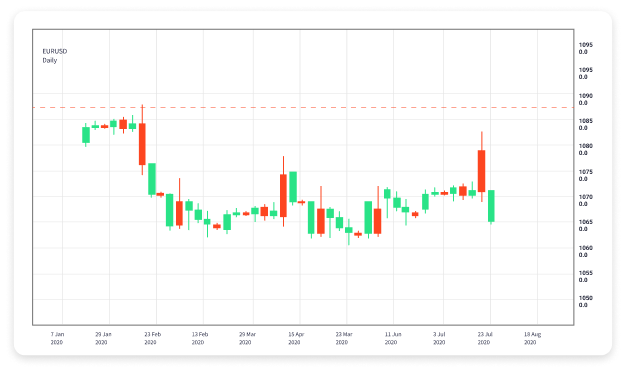
This strategy is based on the assumption that price deviations from the mean will eventually revert back. Automated trading systems can identify these deviations and place trades in anticipation of a return to the average price.
4. Breakout Trading
Breakout trading focuses on entering trades once the price breaks through a defined support or resistance level. Automated systems help traders enter these trades immediately after a breakout occurs.
Choosing the Right Automated Trading Software
When selecting an automated trading platform, consider the following factors:
- User Interface: The software should be user-friendly and easy to navigate, allowing traders, both novice and experienced, to operate effectively.
- Compatibility: Ensure the chosen automated trading software is compatible with your trading strategy and supports the currency pairs you wish to trade.
- Performance Metrics: Look for platforms that provide performance analytics to track the success of your automated trades.
- Support and Resources: A reliable provider will offer robust customer support, as well as tutorials and educational materials to help you maximize your trading success.
Risks Involved in Automated Trading
While automated trading offers many benefits, it also comes with inherent risks:
- Technical Failures: Connectivity issues or software bugs can disrupt trades, leading to potential losses. It’s vital to have contingencies in place.
- Over-optimization: Traders may fall into the trap of overfitting their models to historical data, resulting in poor performance in live trading conditions.
- Market Volatility: The Forex market can be highly volatile. Automated systems may not always respond appropriately to sudden market changes, leading to unexpected outcomes.
Monitoring and Adjusting Your Automated Trading System
Even though the primary purpose of automated trading is to reduce the need for constant monitoring, it’s essential to regularly review the performance of your trading system. Make adjustments based on changing market conditions, and continuously test improvements to enhance your trading strategy.
Conclusion
Automated trading in the Forex market has transformed how traders engage with the market by providing speed, efficiency, and emotion-free trading. However, success in automated trading does not come without its challenges. By understanding the various strategies, selecting reliable software, and being aware of the associated risks, traders can significantly enhance their potential for success in the Forex market.
Leave a Reply